
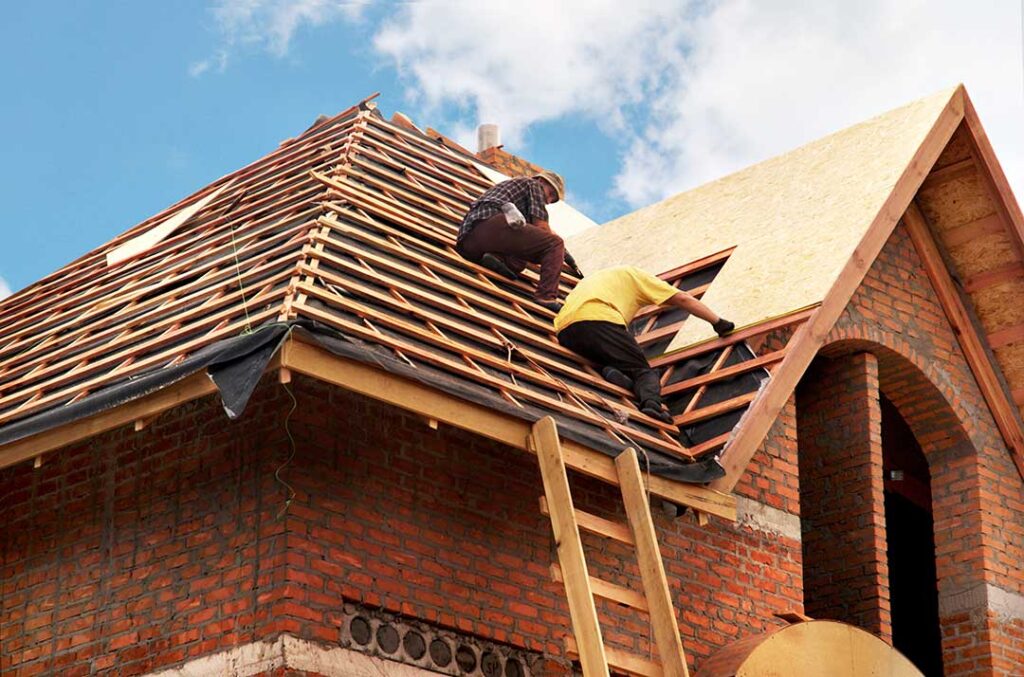
What Is a Roof Inspection and Why Does It Matter?
A roof inspection is a careful check of a home's roofing system to assess its condition and spot issues early. For residents of Newfane, NY, these inspections help identify damage from storms, seasonal temperature swings, or simple aging, all common local concerns. Missing or damaged shingles, clogged gutters, and unseen leaks can lead to costly repairs or even interior damage if left unaddressed. Regular checks help local households avoid surprises and plan timely maintenance.
How Often Should Newfane Residents Inspect Their Roofs?
Most area homes benefit from a roof check twice a year—ideally each spring and fall. These seasons follow the harshest weather in Newfane: icy winters and heavy late-summer storms. If the city experiences a windstorm, hail, or significant snow melt, an additional inspection can catch storm damage early. For newer roofs, annual checks may be sufficient, but older roofs typically require two inspections per year.
What Are Some Signs of Trouble Homeowners Can See from the Ground?
Immediate warning signs are often visible from the yard or sidewalk. Even without climbing on the roof, local residents can look for:
- Shingles that are curled, cracked, or missing
- Dark streaks or moss, which may signal trapped moisture
- Piles of shingle granules in gutter downspouts (a sign of aging shingles)
- Sagging or uneven roof lines, which could mean structural issues
- Blocked or overflowing gutters after rain
Noticing any of these changes is a cue to look closer.
When Should a Roof Be Inspected Up Close?
A closer look is warranted after major weather events or when simple visual checks raise concerns. Area homes, especially older properties with steep roofs or mature trees overhead, benefit from a cautious approach. Safety is vital—using a sturdy ladder, checking stability, and avoiding inspections during wet or icy conditions is essential. In cases where a roof’s structure looks unsafe, or if mold, significant leaks, or electrical hazards are present, it’s best to avoid personal inspection.
What Tools and Materials Are Needed for a Basic Roof Check?
Basic visual inspections often require just a pair of binoculars, sturdy ladder, gloves, and low shoes with good traction. Bringing a notepad or phone to document problem spots is handy. If inspecting gutters or flashing up close, a trowel may be useful to clear debris. In Newfane’s tree-heavy neighborhoods, a roof rake can help safely remove branches or leaves after storms. It’s always wise to check for utility lines or wildlife before climbing up.
What Parts of the Roof Need the Closest Attention?
Certain roof areas are more likely to develop problems due to Newfane’s mix of wind, snow, and leafy debris:
- Shingle surfaces—look for wear, cracks, curling, or loss of granules
- Flashing—the metal seals around chimneys, vents, and skylights, prone to leaks and loosening
- Gutters and downspouts—check for clogs, sagging, or detachment
- Roof valleys—spots where different roof faces meet, where water and debris accumulate
- Attic spaces—evidence of water stains, musty odors, or damp insulation can signal roof leaks
Inspecting these zones helps address issues before they threaten the structure below.
What Are the Most Common Issues in Newfane Roofs?
Roofs in the community often face:
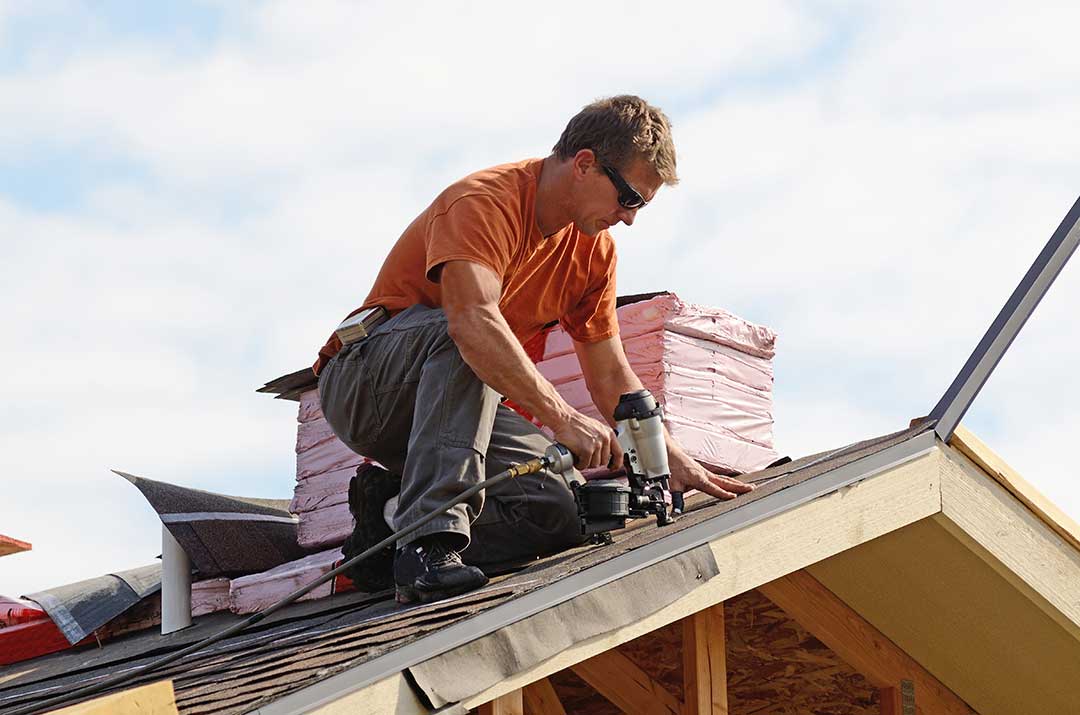
- Ice dams from freeze/thaw cycles, leading to water backup under shingles
- Moss and algae from humid summers and shaded lots
- Wind damage, which can rip off shingles, especially near eaves and ridges
- Leaks at flashing points or around old vent pipes
Homeowners sometimes think a few missing shingles aren’t urgent, but ignored damage in one area tends to spread.
Can Residents Safely Inspect Attics and Interior Signs?
Yes, inspecting your attic can reveal early clues of roofing trouble—no ladder needed. Look for sunlight shining through, damp wood, or moldy smells, especially after rain or snow melt. Peeling paint or bubbling plaster on ceilings near exterior walls can signal slow leaks. Making note of these issues helps focus outside inspection efforts or determine the next steps for repairs.
Are There Local Rules or Insurance Needs to Consider?
In the city, most roof work that changes the structure or materials of the roof may require a permit. While routine homeowner inspections do not, it’s smart to be aware of local guidelines—especially for historic homes near the Erie Canal or in older neighborhoods. Insurance policies often have specific requirements about roof maintenance. Keeping written records of inspections and repairs can help if a claim is ever needed after storm damage.
How Can Homeowners Extend the Life of Their Roof Between Inspections?
Simple, regular care goes a long way:
- Clean gutters and downspouts each season to prevent overflow and ice dams
- Trim back branches that can scrape the roof or drop heavy debris
- Remove moss or algae with gentle, approved cleaners—avoid power washing, which can damage shingles
- Attend to minor repairs quickly, preventing small leaks or loose flashing from worsening
These efforts help area roofs perform well through changing weather and keep homes dry longer.
