
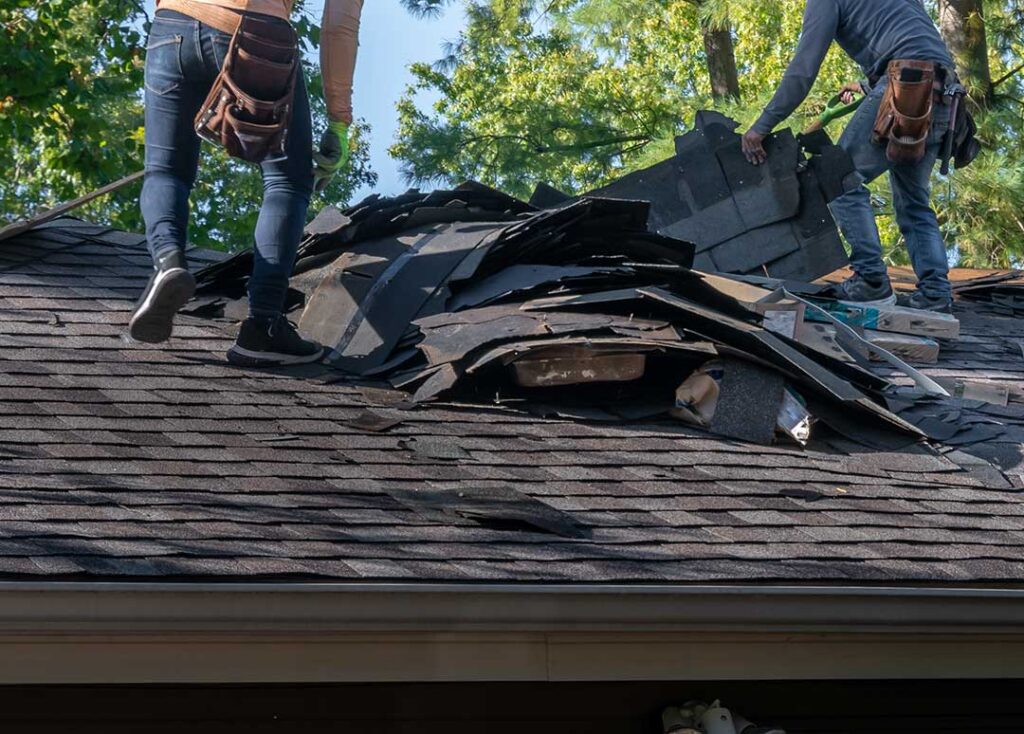
How Does Seasonal Weather in Newfane, NY Affect Roofs?
In Newfane, NY, the seasonal weather cycle is often the single biggest factor influencing roof wear and performance. The area experiences a full range of weather—cold winters, wet springs, humid summers, and blustery falls—all of which place unique pressures on a home’s roofing materials.
Roofing systems endure temperature swings, freeze-thaw cycles, wind-driven precipitation, and prolonged sun exposure each year. These elements, when combined with the age and style of local homes, create both visible and hidden impacts that homeowners benefit from understanding.
What Risks Does Winter Pose for Roofs?
Roofs in Newfane face multiple challenges during winter, including heavy snow accumulation, ice damming, and rapid temperature changes that can strain older materials.
- Snow load: Wet, heavy snow is common in the region. When it accumulates on rooftops, it puts extra stress on the roof decking and structural supports. Over time, this can lead to sagging or even structural damage, especially in homes with aging rafters or insufficient attic insulation.
- Ice dams: Freeze-thaw cycles can create icy barriers at the roof edge. Melting snow refreezes near gutters or overhangs, causing water to back up under shingles. This hidden leakage can lead to water stains, warped wood, and interior mold.
- Wind-driven snow: Gusty winter winds can force snow under shingles and flashing, especially around vents and chimneys.
Taking measures to regularly clear excess snow with a roof rake from the ground (when safe) and ensuring good attic insulation can help manage these risks for many homes in Newfane.
Why Are Spring and Summer Rains a Concern?
Rain is a year-round risk in the city, but spring and summer downpours can expose weak spots in roofing systems more quickly.
After a long winter, materials are often vulnerable—shingles may be loose from ice, and flashing might be displaced. Heavy rain can exploit any gaps, leading to leaks that are sometimes not noticed right away, especially in homes with older attics or less-visible crawlspaces.
Rain also works in tandem with summer’s humidity, hastening the growth of moss and algae, especially on north-facing sections of a roof that get less sun. Over time, this can accelerate material breakdown and leave shingles slick and less effective at shedding future precipitation.
How Do High Winds and Summer Storms Affect Local Roofs?
Blustery winds are a part of life in Newfane during every season, but summer thunderstorms can bring especially powerful gusts.
- Shingle loss or lifting: Winds may pry up shingles or even tear them off entirely, exposing the underlying roof deck to water damage.
- Debris impact: Tree branches, twigs, and stray materials can strike roofs during storms. This can dent metal, crack tiles, or pierce shingles.
- Ridge cap and flashing issues: Flexible sections, such as overlapping metal flashing around chimneys or at ridges, are especially vulnerable to becoming dislodged or bent, allowing future moisture in.
Residents often notice missing shingles after intense storms but sometimes overlook more subtle forms of wind damage that weaken the roof over months, rather than days.
What Problems Can the Sun Create, Even in a Cooler Climate?
Despite the generally mild summer temperatures in Newfane, direct sunlight still degrades roofing materials year after year.
- UV degradation: Shingles lose their protective granules over time when exposed to ultraviolet rays, making them brittle and less water-repellent.
- Thermal cycling: Repeated warming and cooling, especially during late spring and summer, accelerate the expansion and contraction of roofing materials. This can lead to curling, cracking, and eventual failure of shingles or seams.
- Heat absorption: Attic spaces may become uncomfortably hot, contributing to faster shingle deterioration from underneath if they lack proper ventilation.
That said, area roofs generally withstand sun-related wear more gradually than those in hotter climates, but it’s still a significant long-term consideration.
Are There Overlooked Local Factors Influencing Roof Lifespan?
In addition to the main weather patterns, several local details can play an outsized role in roof longevity:
- Tree cover: Large shade trees can shield roofs from sun, extending material life, but also contribute to leaf litter in gutters, moisture retention, and more frequent moss growth.
- Lake-effect weather: Proximity to Lake Ontario can result in sudden wind shifts or precipitation changes, stressing materials unexpectedly.
- Ventilation habits: Many older homes lack modern attic ventilation. This can trap moisture after wet or humid periods, increasing the risk of rot or mold in hidden layers.
- Building codes: While local building codes set minimum standards for roof installation, ongoing small repairs and updates may not always conform, especially in older structures.
Each of these adds complexity to roof maintenance, making regular observation from the ground and timely minor fixes especially important.
How Can Residents Manage Weather Impacts on Their Roofs?
Most homeowners in Newfane can help their roofs last longer by focusing on a few key practices:
- Seasonal examinations: Look for missing shingles, bent flashing, clogged gutters, or discoloration, especially after storms or snowmelt. Small issues often reveal bigger underlying concerns.
- Gutter maintenance: Clear gutters and downspouts keep water moving away from the foundation and prevent ice dams.
- Attic checks: Spotting water stains, musty odors, or daylight through the roof can point to hidden leaks.
- Tree trimming: Pruning back branches and removing debris lessens the chance of damage from falling limbs or wind-blown litter.
- Choose local-appropriate materials: If considering roof replacement, material choices that match the local climate—like algae-resistant shingles or reinforced underlayment—can help prevent common weather-related issues.
Local residents don’t need to obsess over every rainfall or temperature dip, but a basic awareness of how each season shapes roofing challenges is a practical way to avoid major repairs and keep homes secure through all of Newfane’s varied weather.
