
What Early Signs of Roof Damage Should Newfane, NY Homeowners Watch For?
Early signs of roof damage are often subtle but spotting them can help residents avoid expensive repairs later. In a community like Newfane, NY, where roofs experience harsh winters, heavy rain, and occasional strong winds, paying attention to small changes is the best safeguard for a home’s protection.
Even homes that appear sound from the street may have hidden issues. Knowing what to look for—both outdoors and inside—can help area households address concerns before they worsen.
—
How Can You Inspect a Roof Without Climbing on It?
You can spot many warning signs from the ground using a pair of binoculars or by walking around your house during daylight. Direct climbing is not necessary—nor is it advisable for safety reasons.
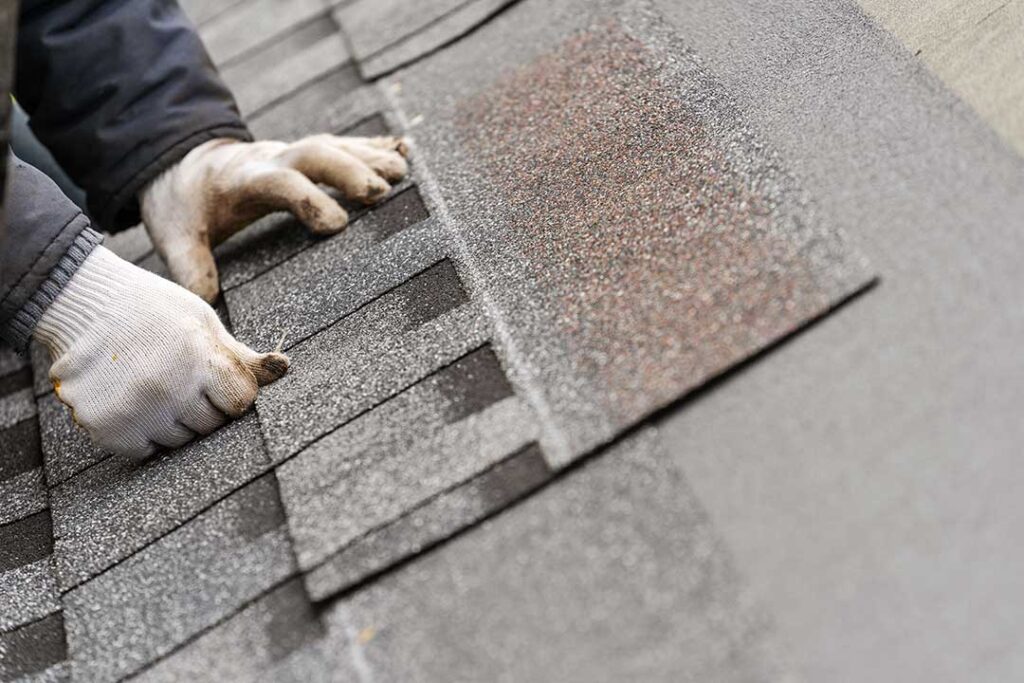
- Look for shingles that appear curled, cracked, or missing—especially after windstorms or heavy snowfall.
- Check for shingle granules in gutters or at the base of downspouts; these gritty particles washing away signal aging or damaged shingles.
- Notice any dark or uneven spots on the roof surface, which could indicate algae growth or water damage.
- Watch for visible sagging, dips, or warping in the roofline, often most apparent when viewed from across the street.
Seasonal transitions, especially after Newfane’s winters, are ideal for visual checks since ice and snow can dislodge or damage roofing materials.
—
Which Indoor Clues Suggest a Roof Problem?
Not all roof issues are visible from outside—a surprising number reveal themselves indoors. Even in homes with newer roofing, water can travel in unexpected ways along beams or behind walls after entering through a compromised spot.
Common indoor signals include:
- Stains, rings, or brown patches on ceilings or upper walls, particularly in rooms directly beneath the roof
- Bubbling, peeling, or discolored paint near the ceiling line
- Noticeable musty or damp smells in attic spaces
A frequent misconception is that leaks always produce dramatic drips or puddles. In reality, moisture can cause slow, subtle damage over extended periods, making these visual indicators an important early line of defense.
—
Are Icicles and Ice Dams a Red Flag in Newfane?
While icicles hanging off roof edges often look picturesque during winter, they may signal underlying trouble. In Newfane, ice dams—a ridge of ice forming along the eaves—can trap water on the roof, leading it to back up under shingles.
Signs that should prompt closer observation include:
- Persistent icicles in the same spots after every snowfall
- Ice ridges on the lower edge of the roof, sometimes blocking gutters
- Water stains developing after thawing periods
Addressing attic insulation or ventilation issues (which contribute to heat loss and melting) is often part of the long-term solution, but the visual presence of recurring ice formations serves as an early warning.
—
When Do Age and Weather Exposure Matter Most for Roof Health?
The age of a roof in Newfane is a meaningful factor, since most area homes endure annual cycles of freeze-thaw, high winds, and summer sun. Asphalt shingles—the most common local material—typically last 20–25 years, though homes near Lake Ontario or exposed open fields may see shorter lifespans due to increased wind.
Key times to be extra vigilant for subtle changes include:
- After major windstorms when shingles may loosen or flip
- At the beginning of spring, as melting snow can reveal winter’s effects
- During late autumn once leaves have fallen, making roof surfaces clearly visible
A frequent homeowner myth is that if a roof “looks fine,” it is not at risk. Small changes, even in newer systems, can signal problems that worsen gradually.
—
Is Moss or Plant Growth an Early Indicator?
Green patches of moss or lichen may appear harmless, but they are a silent indicator of excess moisture retention. In wet springs or humid summers, shaded areas of roofs in the community might develop moss, especially on the north-facing sides.
While moss growth is common in the area and does not always mean immediate danger, it can:
- Trap moisture against shingles, causing them to deteriorate more quickly
- Lift or separate shingle edges, allowing water to infiltrate roof layers
Promptly noticing and managing plant growth (carefully and without caustic chemicals) helps protect roofing materials and the wood underneath.
—
Are Gutter Problems Ever Linked to Roof Damage?
Gutters and downspouts play a critical role in keeping Newfane homes dry. Clogged, sagging, or disconnected gutters often signal or contribute to early roof and fascia damage.
Look for:
- Overflowing water during rainstorms, indicating blockages
- Sagging gutter sections, which might pull away from the fascia and expose wood to moisture
- Debris buildup, which can encourage water to back up under shingles
Residents sometimes overlook gutter maintenance, especially in heavily wooded neighborhoods. Prioritizing clear gutters, particularly after fall, provides another layer of protection.
—
What If You’re Unsure About a Suspected Roof Issue?
If signs are unclear—such as a faint water stain or a few missing shingles—it’s best not to ignore them. Document unusual findings with photos. Compare over several weeks or through different weather events to see if the issue changes or worsens.
Some changes are very gradual. Early action, even if only monitoring for change, helps area households stay ahead of larger repairs, especially during the stormy Newfane seasons.
