
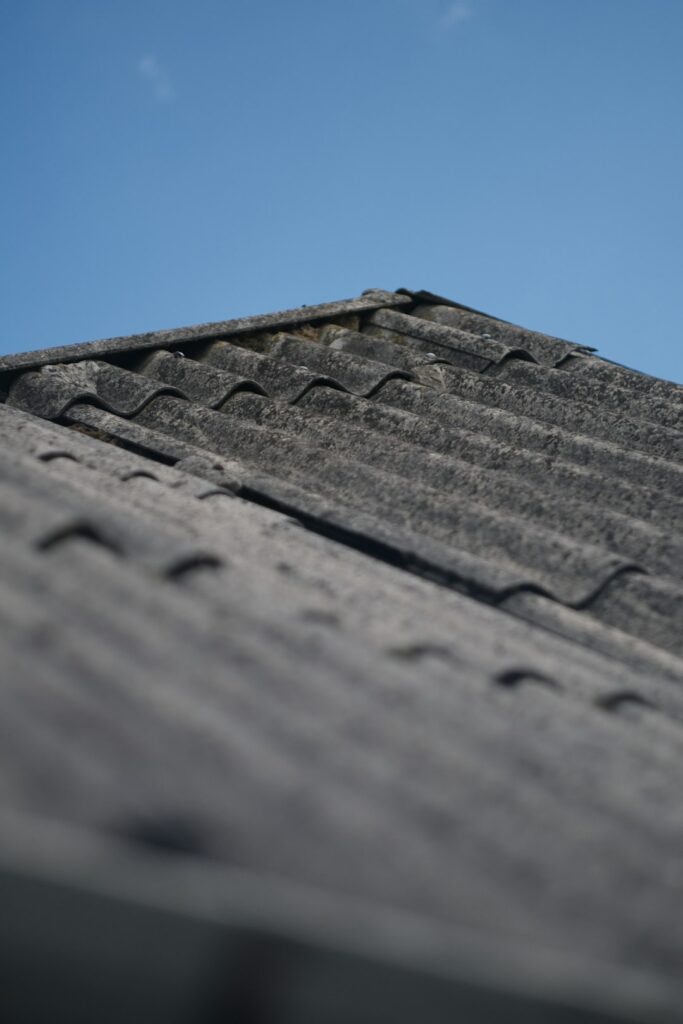
How long should a residential roof last?
A typical asphalt-shingle roof often lasts about 15 to 30 years, but the actual service life depends on the shingle type, installation quality, attic ventilation, roof slope, sun exposure, and weather history. A roof in Newfane, NY also has to withstand snow, ice, wind, rain, and repeated freeze-thaw cycles, all of which can shorten its useful life.
Age alone does not prove that a roof needs replacement. However, an older roof with several visible problems deserves closer attention, especially before another winter.
Metal, slate, tile, and other roofing materials can last much longer than asphalt shingles. The material and installation date should be identified before deciding whether replacement is necessary.
What visible signs suggest that a roof may need replacement?
The clearest warning signs are widespread wear, repeated leaks, and damage affecting more than a small repair area. Look at the roof from the ground with binoculars rather than climbing onto it.
Signs that may indicate the roof is nearing the end of its service life include:
- Missing, cracked, curled, blistered, or loose shingles
- Large areas where the protective granules have worn away
- Shingles that appear unusually thin, brittle, or uneven
- Sagging along the roofline or between rafters
- Exposed underlayment, roof decking, or fasteners
- Rusted or damaged flashing around chimneys, vents, skylights, and wall intersections
- Moss or algae covering large sections of the roof
- Dark streaks or stains that persist after the surface dries
- Shingle debris collecting in gutters or at the base of downspouts
A few damaged shingles do not automatically mean the entire roof must be replaced. Widespread deterioration, however, is different from isolated storm damage. When the roof surface, flashing, and underlying materials are aging together, repeated patching may provide only temporary protection.
Do leaks always mean the roof needs to be replaced?
No. A single leak can result from damaged flashing, a blocked drainage path, a loose vent boot, or a small area of storm damage. In those cases, a properly completed repair may be enough.
Replacement becomes more likely when leaks are recurring, appear in multiple rooms, or continue after previous repairs. Water stains on ceilings or walls should not be ignored because the visible mark may be several feet away from the actual entry point.
Indoor warning signs include:
- Brown or yellow ceiling stains
- Damp attic insulation
- Wet or deteriorating roof sheathing
- Peeling paint near upper walls or ceilings
- Musty odors in the attic
- Daylight visible through the roof deck
- Dripping or dampness after snowmelt or heavy rain
A ceiling stain may remain after a leak has stopped, so the stain alone does not reveal whether the problem is active. Attic inspection is often necessary to determine whether moisture is still entering.
How does winter weather affect roof condition?
Winter weather can expose weaknesses that were less noticeable during warmer months. Snow adds weight, while ice and melting water can work into small gaps around flashing, valleys, vents, and roof edges.
Freeze-thaw cycling is especially hard on aging roofing. Water enters a crack or opening, freezes, expands, and then leaves the material more vulnerable to additional damage. Strong winds can loosen shingles that already have weakened adhesive strips or deteriorated fasteners.
Ice dams can also create problems when heat escapes into a poorly insulated or poorly ventilated attic. Snow melts on warmer portions of the roof, flows toward colder eaves, and refreezes. The resulting ice can obstruct drainage and allow water to move beneath the shingles.
Ice dams are not always proof that the roof itself needs replacement. They may be connected to attic insulation, air leakage, ventilation, or exterior drainage. Still, repeated ice-dam damage should be treated as a building-envelope problem rather than a surface issue alone.
Is moss or algae a reason to replace the roof?
Usually not by itself. Light moss or algae growth may be mostly cosmetic, particularly on shaded roof sections. Heavy moss can become more serious if it lifts shingles, traps moisture, or prevents water from draining correctly.
Do not scrape or pressure-wash shingles aggressively. That can remove protective granules and create damage that was not present before cleaning. Overhanging branches, poor sunlight, and persistent moisture can encourage growth, so the surrounding conditions matter as much as the appearance.

A roof with extensive moss, brittle shingles, and repeated leaks is more concerning than a roof with limited surface discoloration.
When is repair more reasonable than replacement?
Repair is generally more reasonable when the roof is relatively young, the damage is localized, the surrounding shingles remain flexible and intact, and the underlying decking is dry and sound.
Replacement deserves more consideration when:
- Damage covers several roof planes
- Leaks have occurred in multiple locations
- The roof is near or beyond its expected material life
- Shingles are no longer available for a matching repair
- Previous repairs have failed repeatedly
- Flashing, underlayment, and decking are also deteriorating
- The roof has significant sagging or structural damage
- Storm damage has affected a large portion of the surface
A repair can solve the immediate leak while leaving an aging roof vulnerable elsewhere. A replacement can also be premature if a small, isolated defect is mistaken for general roof failure. The condition of the complete roof assembly matters more than any single symptom.
What should homeowners check in the attic?
The attic can reveal problems that are difficult to see from outside. Inspect only from a safe, stable surface and avoid stepping on insulation or ceiling materials.
Look for wet insulation, darkened wood, mold-like growth, rusted nails, water trails, and daylight around roof penetrations. Check whether bathroom or kitchen exhaust is releasing moisture into the attic rather than outdoors. Excess humidity can contribute to condensation that resembles a roof leak.
Ventilation should be balanced with adequate intake and exhaust openings. Adding vents without addressing air leakage or insulation can fail to solve the underlying moisture problem.
Does a roof replacement require permits or code considerations?
Roof replacement may be subject to New York State and local building requirements, particularly when the work involves structural repairs, changes to roof materials, multiple layers, decking, ventilation, or alterations to the roof shape.
Requirements can vary according to the scope of work and the type of home. Older houses may also contain hidden conditions such as deteriorated sheathing, inadequate flashing, or previous roof layers that affect the project. Code compliance is a safety and legal issue, not merely a paperwork detail.
What is the safest way to evaluate an aging roof?
Start with the roof’s age and material, then compare that information with visible exterior and attic conditions. Use binoculars from the ground, inspect ceilings after storms, and document stains or damaged areas with photographs.
Roof surfaces can be slippery, unstable, and dangerous, particularly when wet, icy, steep, or weakened by rot. Walking on an older roof can cause additional damage and create a fall hazard. Conditions involving sagging, active leaks near electrical components, exposed decking, or major storm damage require prompt attention because they can affect both occupant safety and the structure of the home.
The most reliable replacement decision comes from looking at the entire system: shingles or other roof covering, flashing, drainage, underlayment, decking, ventilation, and attic moisture. A roof does not need to look perfect to remain serviceable, but widespread deterioration should not be confused with a problem that can be solved by one small patch.
