
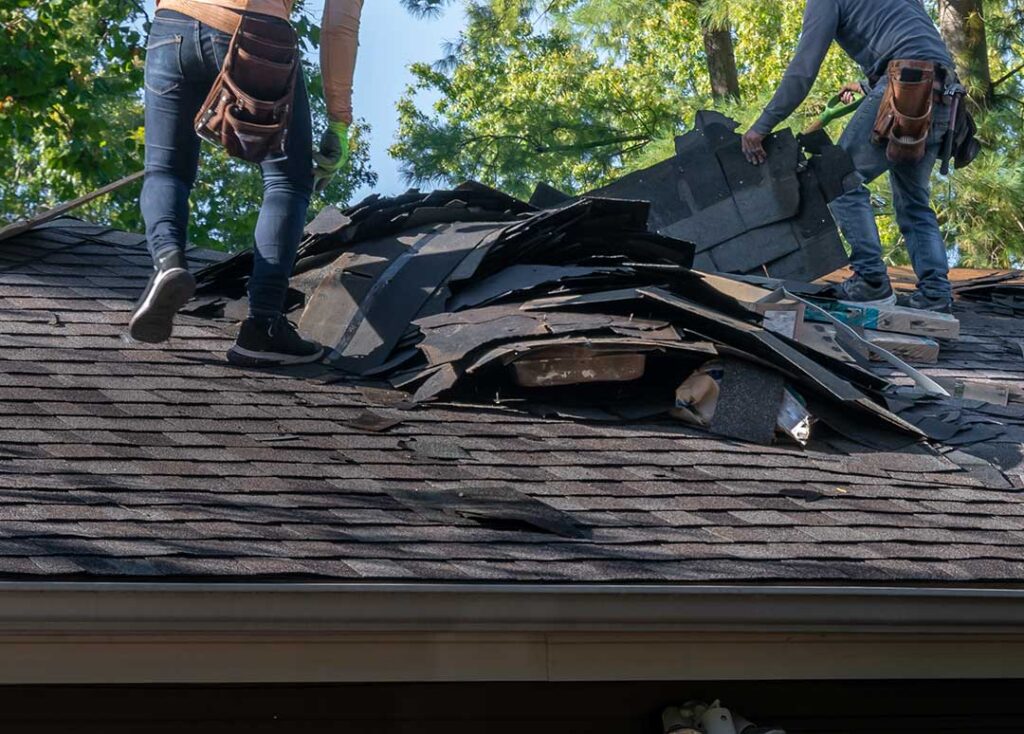
Which roofing material is right for a home in Newfane, NY?
The best roofing material depends on more than appearance or upfront price. Homeowners should consider snow, freeze-thaw cycles, wind, summer heat, roof slope, maintenance needs, expected service life, and the structure’s ability to support heavier materials.
In Newfane, winters can bring repeated snow and ice exposure, while changing temperatures can cause roofing materials to expand, contract, and age unevenly. A practical choice is one that fits both the house and the local weather pattern.
Asphalt shingles: the common, adaptable option
Asphalt shingles are widely used because they are relatively affordable, available in many styles, and compatible with most residential roof designs. They are also lighter than several alternative materials, which makes them suitable for many existing homes.
Advantages include:
- Lower initial cost than many premium roofing materials
- Broad availability in different colors and profiles
- Straightforward installation on many roof shapes
- Easier replacement of damaged sections than with some rigid materials
- Moderate weight that usually places less demand on roof framing
Modern asphalt shingles are not all the same. Basic three-tab shingles generally have a shorter expected life than thicker architectural shingles. Architectural shingles often provide better wind resistance, a more dimensional appearance, and greater durability, although they cost more.
The disadvantages are equally relevant. Asphalt shingles can lose granules over time, especially after storms or repeated weather exposure. Ice buildup, poor attic ventilation, and improper flashing can shorten their service life. Dark shingles may also absorb more summer heat, although attic insulation and ventilation influence indoor temperatures as well.
For many households, asphalt remains a reasonable balance of cost, weight, appearance, and repairability. It should not be judged only by its lowest purchase price; underlayment, flashing, ventilation, and installation quality affect performance significantly.
Metal roofing: durable but not maintenance-free
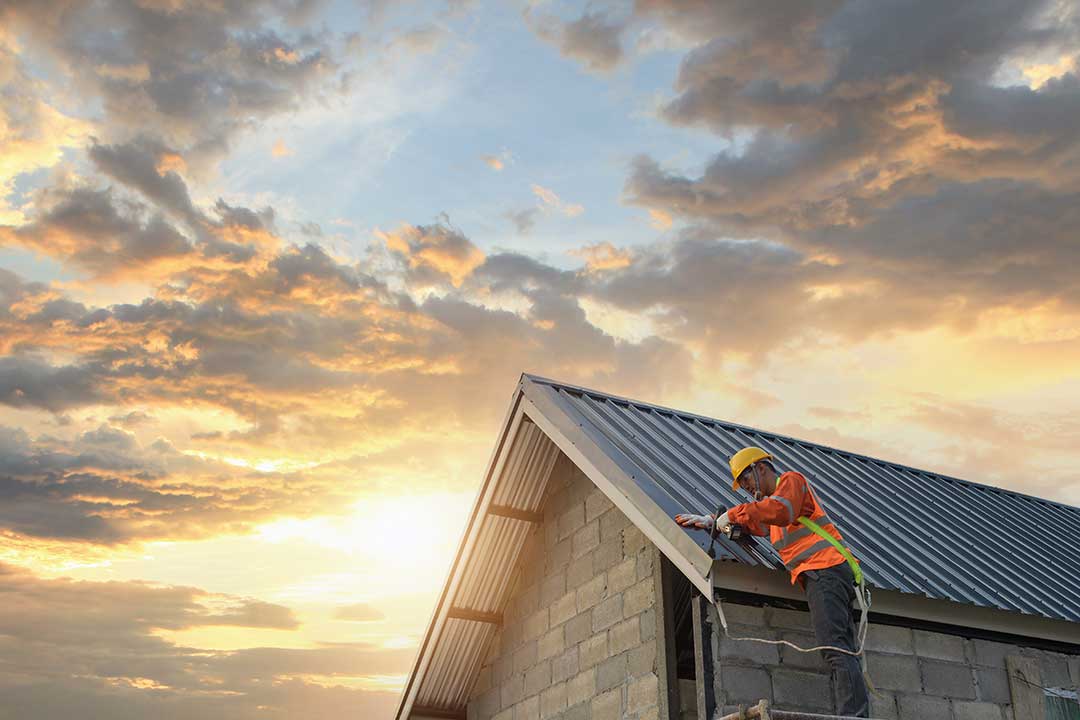
Metal roofing can be made from steel, aluminum, copper, or other alloys. Residential systems may use interlocking panels or smaller metal shingles designed to resemble traditional roofing.
A properly selected and installed metal roof can offer a long service life. It sheds rain and snow effectively, resists rot, and is less vulnerable to surface damage from moisture than many organic materials. Some metal roofing also has strong wind performance and reflective finishes that reduce heat absorption.
Potential drawbacks include:
- Higher upfront cost than standard asphalt shingles
- Noise from rain or hail if the roof assembly lacks adequate insulation
- Visible dents from severe hail or falling branches
- Expansion and contraction that require appropriate fastening details
- More difficult matching if a section needs replacement years later
Snow sliding from a smooth metal roof can also create a safety concern near entrances, walkways, lower roofs, or outdoor equipment. Snow guards may be appropriate in some designs, but they must be planned around the roof layout rather than added casually.
Metal roofing is not automatically maintenance-free. Fasteners, seams, flashing, coatings, and areas around chimneys or roof penetrations still need periodic inspection.
Wood shingles and shakes: attractive, with greater upkeep
Wood roofing can provide a traditional appearance and may suit certain older homes or architectural styles. Cedar is commonly associated with this category because it naturally resists some moisture and insects when properly maintained.
The main benefit is visual character. Wood can also provide natural variation that is difficult to reproduce with manufactured materials.
The challenges are more demanding in a wet, snowy climate:
- Wood can absorb moisture and support moss or fungal growth
- Poor ventilation can accelerate deterioration
- Split or curled pieces may allow water entry
- Periodic cleaning, treatment, or replacement may be needed
- Fire resistance varies by product and treatment
- Debris trapped between shakes can keep the roof damp
Wood roofing requires more attention than many homeowners expect. It is a poor choice where routine maintenance will be difficult or where the roof remains shaded and damp for long periods.
Slate roofing: long-lasting, heavy, and specialized
Natural slate can last for many decades, and some slate roofs remain functional for a century or more when properly designed and maintained. It is resistant to rot, insects, and many forms of weather-related deterioration.
Slate’s primary limitation is weight. The roof framing must be capable of supporting it, especially when snow accumulates. Slate is also brittle. Walking on it without appropriate knowledge can break pieces, and repairs require matching thickness, color, size, and fastening methods.
Other concerns include:
- High material and installation cost
- Specialized repair requirements
- Greater difficulty replacing broken pieces
- Potential mismatch with existing slate after years of weathering
- Need for sound flashing around penetrations and edges
Slate may make sense for a historically appropriate or structurally suitable home, but it is not a simple substitute for asphalt shingles.
Concrete and clay tile: durable but structurally demanding
Tile roofing can provide a long service life and strong resistance to rot, insects, and many weather conditions. Clay tile offers a distinctive appearance and can maintain its color well. Concrete tile is generally more uniform and may be available in several shapes and finishes.
The major concern is weight. Existing homes may need structural evaluation before tile is considered. Individual tiles can also crack from impact, improper foot traffic, or freeze-thaw stress. The underlayment and flashing beneath the tile remain critical because the tile surface alone is not the entire water-shedding system.
Tile may be less practical for homes with modest roof framing, complex roof geometry, or limited access for specialized repairs.
What factors matter most beyond the material?
Roofing material is only one part of roof performance. A less expensive material installed with poor ventilation or inadequate flashing may fail sooner than a midrange material installed as part of a well-designed roof system.
Important questions include:
- Is the roof slope suitable for the selected material?
- Can the framing support the material plus accumulated snow?
- Are valleys, chimneys, skylights, and wall intersections properly detailed?
- Is attic ventilation balanced with adequate insulation?
- Will snow and ice collect in areas near roof edges or lower slopes?
- Are gutters and downspouts sized and positioned to manage runoff?
- Can replacement materials be obtained if repairs are needed later?
Ice dams are often blamed entirely on roofing material, but they usually involve heat loss through the attic, inadequate insulation, ventilation problems, or weather conditions. Changing the roof covering alone may not solve the underlying cause.
How should homeowners compare cost and service life?
The lowest initial price does not always produce the lowest long-term cost. A useful comparison includes the expected service life, maintenance needs, repair complexity, structural work, disposal costs, and the likelihood that matching materials will remain available.
For example, asphalt shingles may have the lowest initial cost but may require replacement sooner than metal or slate. Metal may last longer but involve a higher initial investment and specialized repairs. Wood may look attractive but require more regular maintenance. Tile and slate can last for decades but may require structural planning and skilled repair work.
The right choice is usually the material that fits the roof’s structure, slope, drainage, appearance, maintenance expectations, and exposure to winter weather. A roofing decision should account for the whole assembly—not just the visible surface.
